Here’s a blog article idea on How Fighters Train for a UFC Fight. This article can explain the different aspects of training that fighters go through to prepare for the biggest stages of MMA.
How Fighters Train for a UFC Fight
When it comes to the Ultimate Fighting Championship (UFC), preparation is everything. UFC fighters are some of the most well-conditioned athletes in the world, and their training is incredibly demanding. Training for a UFC fight is no simple task – it’s a multi-disciplinary approach that involves physical conditioning, mental preparation, technical skill development, and more. So, how do UFC fighters train for their big fights? Let’s break down the key elements of a fighter’s training regimen.
1. Strength and Conditioning
To compete at the highest level, UFC fighters need to be in peak physical condition. Strength and conditioning training focuses on building the physical foundation that will support a fighter’s endurance, power, and explosiveness during a fight.
- Cardio: Fighters need exceptional cardiovascular endurance to last five rounds of high-intensity action. They incorporate activities like running, cycling, swimming, and interval training to build stamina and improve their aerobic capacity. Long, steady-state runs and sprints are key to preparing for different fight paces.
- Strength Training: Weightlifting and bodyweight exercises help fighters develop raw power. Deadlifts, squats, and kettlebell swings are common to build lower body strength, while upper body exercises like bench presses, pull-ups, and overhead presses help fighters with striking power and grappling strength.
- Plyometrics and Agility: These exercises improve a fighter’s ability to explode into action. Jump squats, box jumps, and ladder drills are designed to improve coordination and reaction time.
2. Technical Training: Striking and Grappling
MMA is a sport that combines multiple fighting disciplines, so fighters must be proficient in a wide range of techniques. They spend countless hours refining their striking and grappling skills.
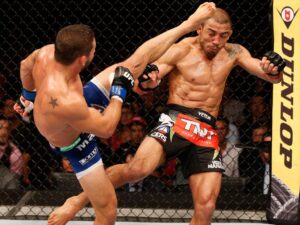
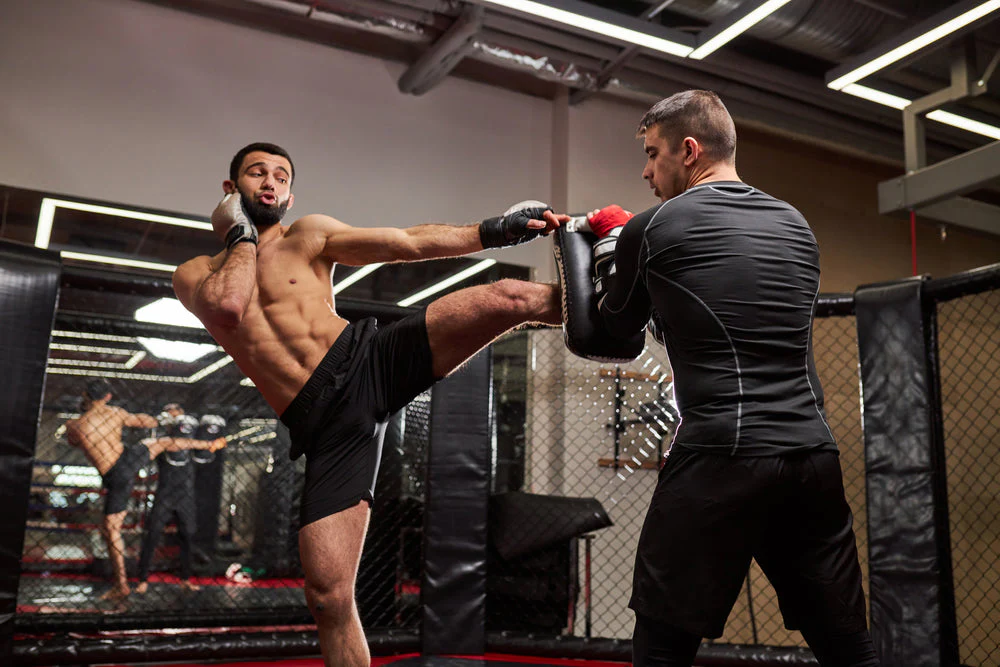
- Striking (Boxing, Kickboxing, Muay Thai): Fighters train in various striking disciplines to improve their ability to land clean punches, kicks, knees, and elbows. Boxing improves hand speed, head movement, and footwork. Muay Thai focuses on clinch work, elbows, and knees. Kickboxing teaches powerful kicks and the use of combinations. Fighters spar regularly to test their technique against opponents in controlled conditions.
- Wrestling: Wrestling is essential for controlling the fight, whether taking an opponent down or avoiding being taken down. Wrestlers develop the strength and technique to dominate in clinches and scramble positions. Fighters spend a lot of time working on takedown defense, entries, and transitions between striking and wrestling.
- Brazilian Jiu-Jitsu (BJJ): Brazilian Jiu-Jitsu is crucial for fighters who want to control the fight on the ground. BJJ focuses on submissions, sweeps, escapes, and positional control. Fighters train with BJJ specialists to improve their grappling skills, whether they’re on top or working from the bottom.
3. Fight Simulation and Sparring
While strength and conditioning are important, no amount of gym work can replace real, live practice. Sparring is one of the most crucial aspects of preparing for a fight. It simulates actual fight conditions, giving fighters the chance to test their skills under pressure.
- Striking Sparring: Fighters engage in controlled sparring sessions with training partners to practice their strikes, combinations, defense, and timing. These sessions can range from light technical sparring to full-contact, harder rounds.
- Grappling Sparring: Grapplers work with training partners to practice submissions, takedowns, scrambles, and positional control. Live sparring in Brazilian Jiu-Jitsu or wrestling drills helps fighters sharpen their ground game.
- MMA Sparring: Full MMA sparring involves everything from stand-up fighting to wrestling and grappling. Fighters combine all their skills in live practice to prepare for the chaos of an actual fight. Sparring helps fighters work on pacing, movement, and fight IQ.
4. Fight Camps and Focused Preparation
A few months before a UFC fight, fighters enter a fight camp, where they dedicate all their time to training and preparation. A typical fight camp can last between 6-8 weeks, depending on the fighter’s schedule. During this period, the intensity and focus of their training increase.
- Diet and Nutrition: Fighters must carefully manage their weight to make sure they can meet the weigh-in requirements for their division. This often means eating a strict diet and, in some cases, cutting weight just before the fight. Nutritionists help fighters eat the right foods for energy and recovery while keeping their weight in check. Fighters may also work with strength and conditioning coaches to fine-tune their diet for optimal performance.
- Mental Preparation: Mental training is just as important as physical training. UFC fighters often work with sports psychologists to improve their focus, visualizations, and mindset before a fight. Staying calm under pressure, handling the stress of the event, and avoiding mental fatigue are essential for success.
- Recovery: Fighting is grueling, and fighters need to recover well between training sessions. This includes active recovery (light cardio, stretching), rest days, massages, cryotherapy, and physical therapy. Recovery helps reduce the risk of injury and ensures that a fighter is at their peak on fight night.
5. Corner Work and Strategy Sessions
A fighter’s corner (the team of coaches and trainers) plays a significant role in their preparation. The corner works closely with the fighter, offering strategic guidance during training and on fight night. This team helps develop a game plan tailored to the fighter’s opponent, highlighting strengths and exploiting weaknesses.
- Game Plan: Fighters study footage of their opponents to analyze their tendencies, weaknesses, and strengths. They develop a strategy for how to approach the fight, focusing on what their opponent does best and avoiding dangerous situations.
- Fight Night Preparation: On fight night, the corner team is there to motivate the fighter, provide advice between rounds, and make adjustments if the fight isn’t going according to plan. Coaches are also responsible for making the call on whether to stop the fight in the event of an injury or if they feel the fighter is losing control.
6. The Role of Rest and Recovery
Fighters must find the right balance between hard training and recovery. Overtraining can lead to fatigue or injury, while insufficient recovery can hinder performance. Rest days are built into a fighter’s schedule to allow muscles to recover and for the body to heal. Techniques like ice baths, foam rolling, sleep, and adequate hydration are part of this essential recovery process.