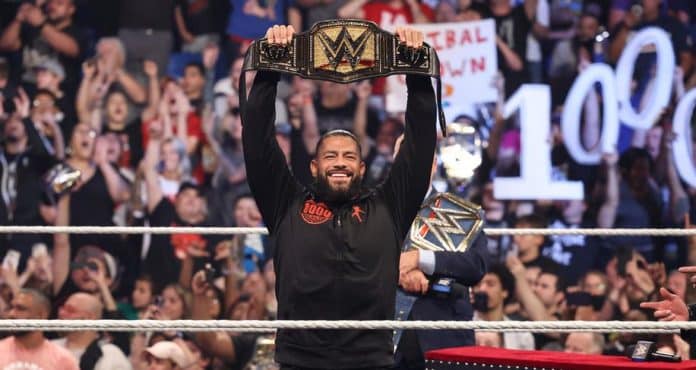
World Wrestling Entertainment (WWE) is a name synonymous with professional wrestling. Over the years, WWE has evolved from a regional wrestling promotion into the entertainment empire we know today. The company’s rich history is filled with unforgettable moments, larger-than-life Superstars, and milestones that have shaped the sport of professional wrestling. Let’s take a look at some of the key moments in WWE’s history that helped define its legacy.
1. The Birth of WWE: From WWWF to WWE
WWE was originally founded in 1952 by Jess McMahon and Toots Mondt under the name Capitol Wrestling Corporation (CWC). It wasn’t until 1963 that Vince McMahon’s father, Vince McMahon Sr., took control and rebranded the company to World Wide Wrestling Federation (WWWF). The name was shortened to the World Wrestling Federation (WWF) in the 1970s, which became its global identity.
In 1982, Vince McMahon Jr. took over the company and revolutionized professional wrestling by nationalizing it. Under Vince McMahon’s leadership, the WWF would go on to dominate the American wrestling scene, creating a brand that transcended regional boundaries. This was the beginning of what would eventually become the global entertainment juggernaut we know as WWE.
2. The Rise of WrestleMania: The First Grandest Stage of Them All (1985)
One of the defining moments in WWE history came in 1985 when Vince McMahon launched WrestleMania, the first-ever pay-per-view event that would set the standard for all subsequent shows. WrestleMania was the brainchild of Vince McMahon and served as the company’s flagship event, a showcase for WWE’s biggest Superstars and the culmination of major storylines.
Held at Madison Square Garden in New York City, WrestleMania I was a gamble. Vince McMahon poured everything into the event, and it paid off. The show was a resounding success, drawing a crowd of over 19,000 fans and breaking records for pay-per-view buys. The event featured iconic moments, such as Muhammad Ali serving as a guest referee and Cyndi Lauper’s involvement in the promotion.
Milestone: WrestleMania I marked the start of WWE’s annual tradition of hosting the grandest event in professional wrestling, which has since become one of the biggest annual entertainment spectacles in the world.
3. The Attitude Era (1997-2002): Revolutionizing Wrestling and Pop Culture
The late 1990s saw a drastic shift in WWE’s content and overall appeal, thanks to the Attitude Era. The Attitude Era was defined by its rebellious, edgy content and the rise of anti-heroes. WWE shifted away from the family-friendly programming that defined the 1980s and early 1990s, introducing a more mature product with intense storylines, violent matches, and characters that broke from the traditional good-guy/hero mold.
This era gave rise to WWE’s most iconic figures, including Stone Cold Steve Austin, The Rock, Triple H, and Mick Foley. The rivalry between Austin and Vince McMahon became a defining story of the era, culminating in Austin’s memorable victory at WrestleMania 14, which solidified him as one of the biggest stars in wrestling history.
Milestone: The Attitude Era led to a massive boom in WWE’s popularity, with increased television ratings, merchandise sales, and global reach. WWE’s flagship show, RAW, became an essential part of pop culture, attracting mainstream attention.
4. The Monday Night Wars: Competing with WCW (1995-2001)
The Monday Night Wars was a period of intense competition between WWE and its main rival at the time, World Championship Wrestling (WCW). During the 1990s, WCW challenged WWE’s dominance with its own flagship show, WCW Monday Nitro, airing head-to-head with WWE Monday Night RAW.
The war peaked in 1996 when WCW introduced The nWo (New World Order), a faction of wrestlers that challenged WWE’s authority and broke the fourth wall, bringing an entirely new element to the world of wrestling. However, it was WWE’s eventual decision to turn Stone Cold Steve Austin into an anti-establishment character, combined with The Rock’s rise to superstardom, that helped WWE win the war and force WCW to close its doors in 2001.
Milestone: The Monday Night Wars were pivotal in WWE’s growth, forcing the company to become more creative and innovative. The competition spurred the rise of WWE’s biggest stars and led to the company’s ultimate success in the wrestling world.
5. The Launch of the WWE Network (2014)
In 2014, WWE made a bold move that would change the landscape of professional wrestling entertainment—the launch of the WWE Network. For a flat monthly fee, subscribers gained access to every WWE pay-per-view, original content, and a massive archive of past wrestling events. This move solidified WWE’s commitment to digital streaming and revolutionized the way fans consumed wrestling content.
The WWE Network allowed fans worldwide to experience the excitement of events like WrestleMania, Royal Rumble, and Survivor Series live, while also providing access to exclusive shows, documentaries, and matches from the vault. This milestone marked WWE’s shift into a more modern, digital-first model.
Milestone: The launch of the WWE Network further cemented WWE’s place in the digital age, creating a subscription-based service that is now a central part of the company’s business strategy.
6. The Rise of Women’s Wrestling: The Women’s Revolution (2015-Present)
Another significant milestone in WWE’s history came in 2015 with the beginning of the Women’s Revolution. What started as a gradual shift turned into a full-on movement, led by WWE Superstars like Charlotte Flair, Becky Lynch, Sasha Banks, and Bayley. The focus on women’s wrestling grew, culminating in groundbreaking moments such as the first-ever women’s match in a Hell in a Cell structure (Charlotte Flair vs. Sasha Banks in 2016) and the historic WrestleMania 35 main event between Becky Lynch, Ronda Rousey, and Charlotte Flair.
Milestone: The Women’s Revolution has made WWE’s female talent an integral part of the product, leading to top billing for women in main events, merchandise sales, and more prominent roles in storytelling.
7. The WWE Global Expansion (2000s-Present)
WWE’s growth wasn’t just limited to the United States. Over the last two decades, the company has expanded globally, holding events in countries such as Saudi Arabia, the UK, Australia, and India. In particular, the Crown Jewel events in Saudi Arabia have drawn massive crowds and generated significant global attention.
Milestone: WWE’s international expansion allowed it to reach a broader audience, leading to lucrative television deals, global live events, and further recognition of wrestling as an international spectacle.